Buy vs. Rent in Florida: Which Makes More Sense in 2026?
Buy vs. Rent: Which Makes More Sense in Today's Market?
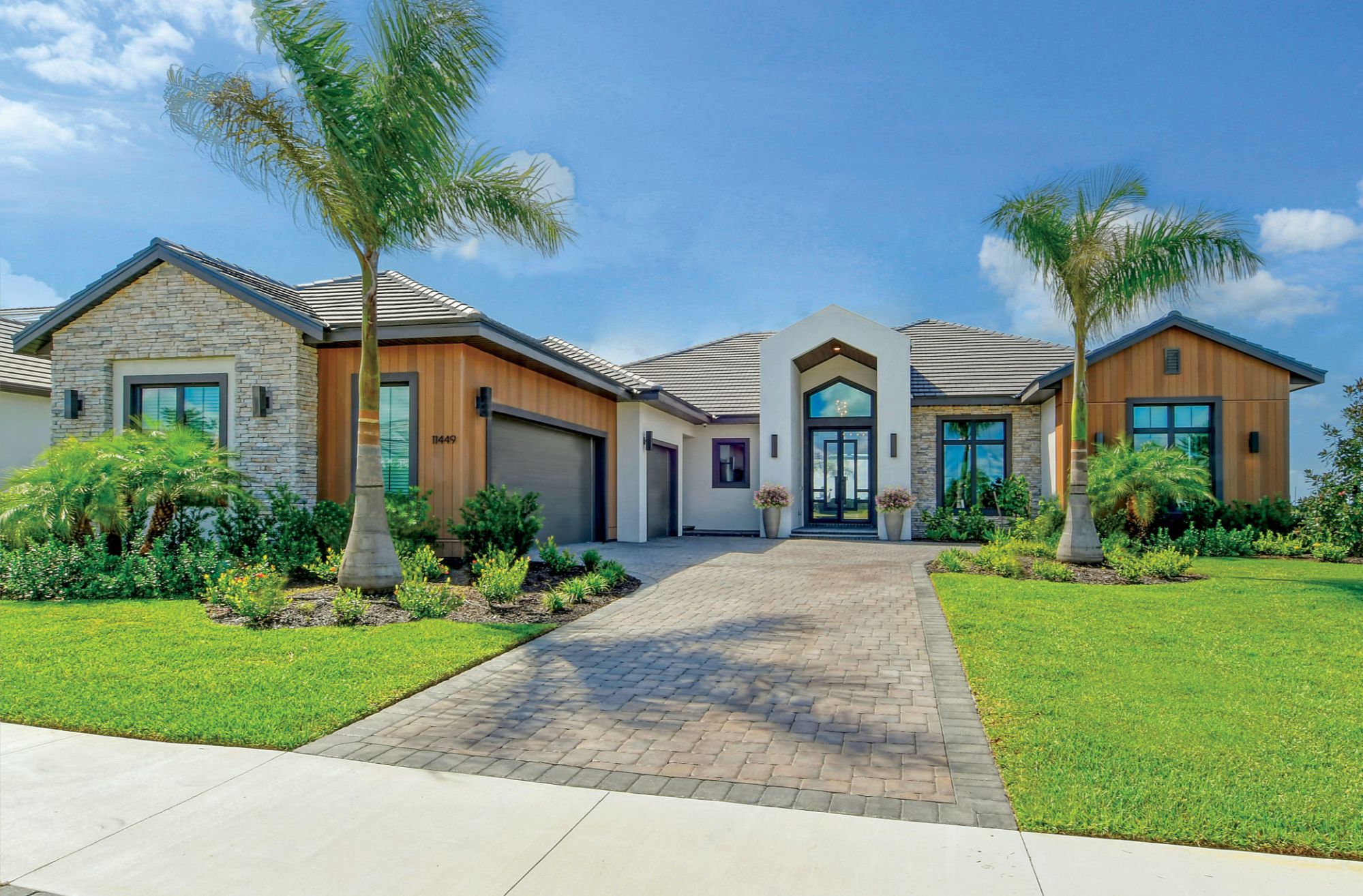
Should you continue renting, or is now the right time to purchase a home?
It's a question many people are asking as housing costs, mortgage rates, and home prices continue to influence the real estate market.
If you're renting in Ocala, Marion County, or anywhere in Central Florida, you may be wondering whether purchasing a home is financially within reach. Maybe you've been watching interest rates, waiting for home prices to drop, or assuming you need a large down payment before you can buy.
Here's something worth considering: You may have more options than you think.
Between changing market conditions, seller negotiations, builder incentives, and different financing programs, there are opportunities worth exploring. But does buying actually make more sense than renting?
Let's break it down.
1. Renting: Flexibility Without Long-Term Commitment
Renting can be a practical choice, particularly if you're not financially ready to purchase or aren't sure where you want to settle long-term.
One of the biggest advantages of renting is flexibility. You're generally not responsible for major repairs, roof replacements, HVAC failures, or other significant property expenses. If your employment situation changes or you decide to relocate, you typically have more flexibility once your lease obligations are satisfied.
Advantages of renting include:
-
Lower upfront expenses compared to purchasing a home.
-
No responsibility for most major property repairs.
-
Flexibility to relocate or change living arrangements.
-
No direct financial exposure to changes in property values.
-
More time to save money and improve your credit.
However, renting has disadvantages.
Your landlord can increase your rent when your lease renews, subject to applicable laws. You also don't build home equity through your rental payments, and you generally have limited control over the property.
If you're planning to rent for several more years, it may be worth considering whether those monthly payments could instead contribute toward owning an asset.
2. Buying a Home: Building Equity and Creating Stability
Homeownership can be an excellent long-term financial decision when you purchase within your budget and understand the responsibilities involved.
Unlike renting, owning a home gives you the opportunity to build equity over time. As you pay down your mortgage, you gradually increase your ownership interest in the property. Your home may also appreciate in value, although appreciation is never guaranteed.
Advantages of buying include:
-
Building equity as you pay down your mortgage.
-
Potential long-term appreciation.
-
More control over your living space.
-
Greater housing stability without annual lease renewals.
-
The opportunity to build long-term wealth through real estate.
-
The possibility of keeping the property as a future rental or investment, subject to applicable financing and legal requirements.
Of course, homeownership comes with financial responsibilities.
You'll need to account for property taxes, homeowners insurance, maintenance, repairs, and potentially HOA or CDD fees.
In Florida, homeowners insurance deserves particular attention when calculating your monthly housing budget.
The important thing is to look beyond the mortgage payment and understand the full cost of ownership.
3. What's Happening in Today's Florida Housing Market?
The housing market has changed, and buyers may have opportunities that weren't as readily available during the highly competitive market of previous years.
In areas like Ocala and surrounding communities, buyers may have more room to compare properties, negotiate prices, request concessions, and take their time evaluating their options.
This is important because purchasing a home isn't just about finding a property you love. It's about negotiating a deal that makes financial sense.
Here are a few opportunities buyers should pay attention to:
-
Sellers who may be willing to negotiate on price.
-
Seller concessions toward eligible closing costs.
-
Opportunities to negotiate repairs or other contract terms.
-
Builder incentives on select new construction homes.
-
Special financing promotions offered through participating lenders.
Mortgage interest rates are another important part of the equation. Rates affect purchasing power and monthly payments, but they shouldn't be the only factor determining whether you buy.
A well-negotiated purchase with favorable financing terms can sometimes be more attractive than waiting indefinitely for rates to change.
4. Thinking About New Construction? Builders May Be Offering Significant Buyer Incentives!
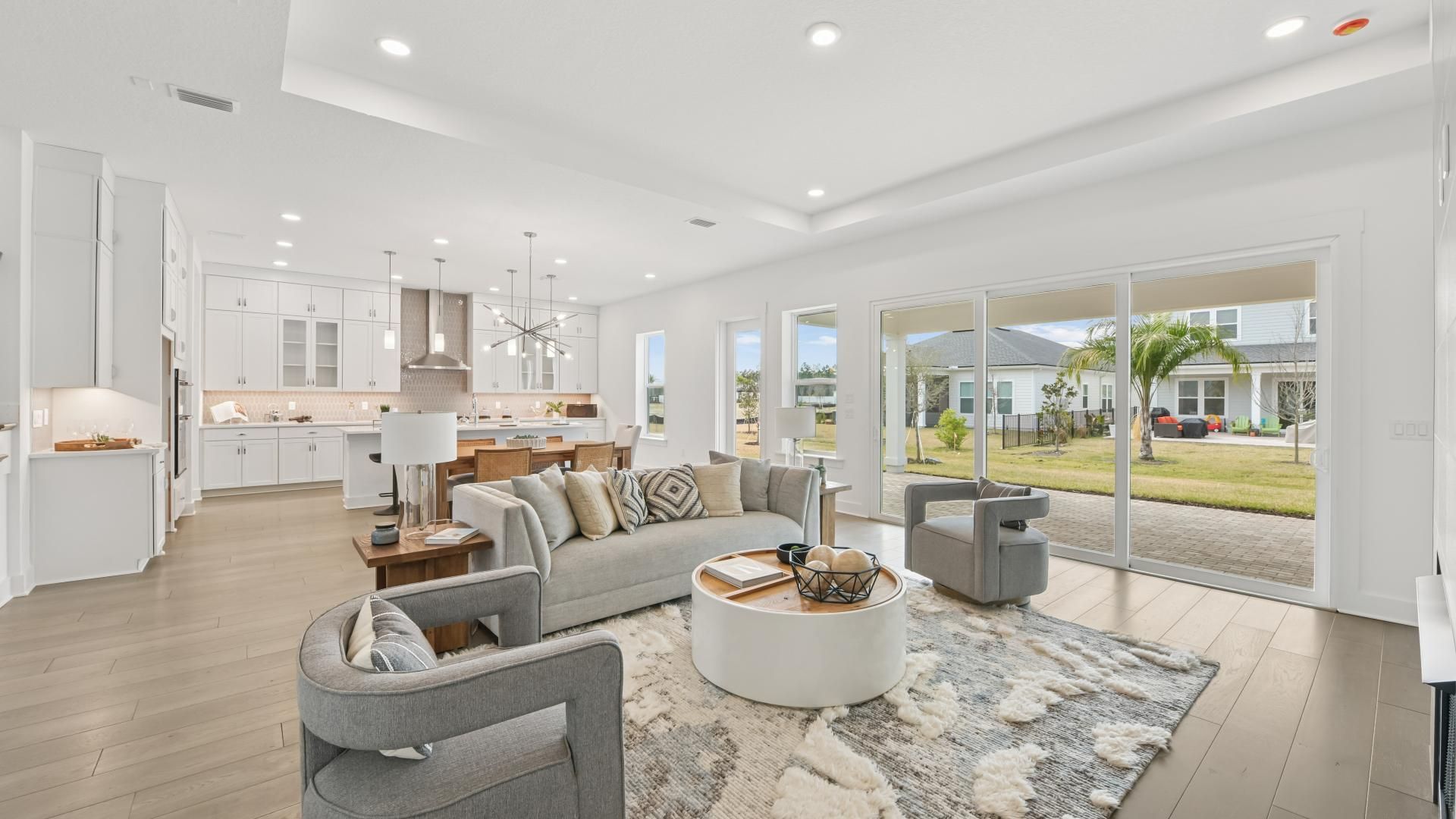
This is one opportunity I don't want buyers to overlook.
If you're considering purchasing a home, don't limit your search to existing properties. New construction can offer some attractive financial advantages, especially when builders are competing for buyers and trying to move completed inventory.
Builders such as D.R. Horton, Lennar, Pulte, and others periodically offer incentives that can make purchasing a brand-new home more affordable.
Depending on the builder, community, and current promotion, incentives may include:
Reduced Mortgage Interest Rates
Some builders offer special financing through their preferred or affiliated mortgage lenders. These promotions may include interest rates below prevailing market rates through temporary or permanent mortgage rate buydowns.
A lower interest rate can make a meaningful difference in your monthly mortgage payment.
Paid Closing Costs
Some builders offer thousands of dollars toward eligible buyer closing costs and prepaid expenses. This can reduce the amount of money you need to bring to the closing table.
Builder Credits and Flex Cash
Certain promotions provide buyers with additional credits that may be applied toward eligible closing expenses, mortgage rate buydowns, or other approved costs.
Free Upgrades and Design Packages
Depending on the promotion, builders may include upgraded flooring, countertops, cabinets, appliances, lighting, or other design features.
Reduced Prices on Inventory Homes
Builders sometimes reduce the prices of completed or nearly completed homes to move inventory. These properties can present opportunities for buyers who are flexible about floor plans, finishes, and move-in dates.
Special Financing Promotions
Some builders advertise attractive financing packages for qualified buyers who use their preferred lender. These may include promotional fixed interest rates or temporary rate buydowns.
Why This Matters in Ocala and Central Florida
New construction is an important part of our local housing market. There are communities throughout Ocala, Marion County, and surrounding Central Florida areas offering different floor plans, price points, amenities, and financing opportunities.
Imagine finding a new home where the builder is offering a promotional interest rate along with thousands of dollars toward eligible closing costs.
That combination could make the monthly payment and upfront expenses more manageable than you originally expected.
However, it's important to compare the entire financing package. Ask whether the advertised rate is permanent or temporary, review the APR, understand lender fees, and compare the total cost against other available financing options.
Builder incentives change frequently and aren't available on every home.
My advice? Don't assume you can't afford a new construction home until you've explored what's available.
And if you're considering new construction, bring your own buyer's agent into the process from your first visit. Builder registration policies can affect whether you can have independent representation later.
5. Is Buying Actually Cheaper Than Renting?
This is where the conversation gets interesting.
Many people assume renting is always cheaper because they aren't responsible for property taxes, insurance, and repairs. Others believe buying is automatically better because they're building equity.
Neither assumption is always correct.
Let's look at a simplified example.
Imagine you're currently paying $1,800 per month in rent. You're considering purchasing a home, and your estimated monthly housing payment is $1,950.
At first glance, renting appears to be the less expensive option.
But consider what happens over time.
With renting:
-
You continue making monthly rental payments.
-
Your rent may increase at renewal.
-
You don't build ownership equity through those payments.
With buying:
-
A portion of your mortgage payment goes toward principal.
-
You have the opportunity to build equity.
-
Your property may appreciate over time.
-
You have more control over your living space.
Of course, buying also comes with additional expenses, including maintenance, insurance, taxes, and closing costs.
The point isn't that buying is always cheaper. It's that you should compare the complete financial picture rather than simply comparing rent to a mortgage payment.
6. What Financing Options Are Available for First-Time Homebuyers?
One of the biggest misconceptions about purchasing a home is that you need 20% down.
That's not necessarily true.
Depending on your financial situation and eligibility, there are several mortgage programs worth exploring.
FHA Loans: Eligible buyers may qualify with as little as 3.5% down, subject to credit and other program requirements.
Conventional Loans: Certain conventional mortgage programs offer down payment options as low as 3%.
VA Loans: Eligible veterans and qualifying service members may be able to purchase with no down payment.
USDA Loans: Eligible buyers purchasing qualifying properties may qualify for 100% financing, subject to income and property eligibility requirements.
Down Payment Assistance: Florida buyers may qualify for state or local assistance programs that help with down payment and closing costs.
Each program has different eligibility requirements, credit guidelines, income limits, and restrictions.
You don't have to figure out which program is right for you on your own. A qualified mortgage professional can help evaluate your options.
7. When Does Renting Make More Sense?
Let's be realistic. Buying a home isn't the right decision for everyone.
Renting may be the smarter choice if:
-
You anticipate relocating within the next year or two.
-
Your income is unstable.
-
You need additional time to improve your credit.
-
You haven't saved enough for upfront homeownership expenses.
-
You aren't ready for the responsibility of maintaining a property.
-
Purchasing would stretch your monthly budget too far.
There's nothing wrong with renting while you prepare for homeownership.
In fact, having a plan to improve your financial position before purchasing can put you in a much better position when you're ready.
8. When Should You Consider Buying?
You may be ready to explore homeownership if:
-
You have consistent income and manageable monthly expenses.
-
Your credit and financing options support a purchase.
-
You have funds available for your down payment and closing costs.
-
You plan to remain in the area for several years.
-
You want the opportunity to build equity.
-
You've found a property that fits your lifestyle and budget.
You don't need to have every detail figured out before starting the process.
Sometimes the first step is simply understanding your purchasing power and discovering what's available.
So, Should You Buy or Rent in Today's Market?
My advice is simple: Don't make your decision based solely on interest rates, headlines, or what someone else tells you about the housing market.
Look at your personal finances. Calculate the actual costs. Explore available financing programs. Compare resale homes with new construction. And most importantly, consider where you want to be financially over the next five years.
If you're financially prepared and plan to stay in the area, purchasing a home could be an excellent next step.
If you need more time, renting while preparing for homeownership can be a smart strategy too.
The goal isn't simply to buy a house. It's to make a real estate decision that makes sense for your life and your financial future.
Ready to Explore Your Options?
Whether you're currently renting, considering your first home, relocating to Central Florida, or interested in new construction, I'd love to help you understand what's possible.
As a local Florida Realtor serving Ocala, Marion County, Citrus County, and surrounding Central Florida communities, I work with buyers at different stages of their homeownership journey.
I can help you:
-
Explore available homes that fit your budget.
-
Compare resale properties and new construction.
-
Identify communities with current builder incentives.
-
Navigate the homebuying process.
-
Connect with mortgage professionals to explore financing options.
You don't have to wait until you think you're ready to buy to start asking questions.
Let's find out what your options look like!
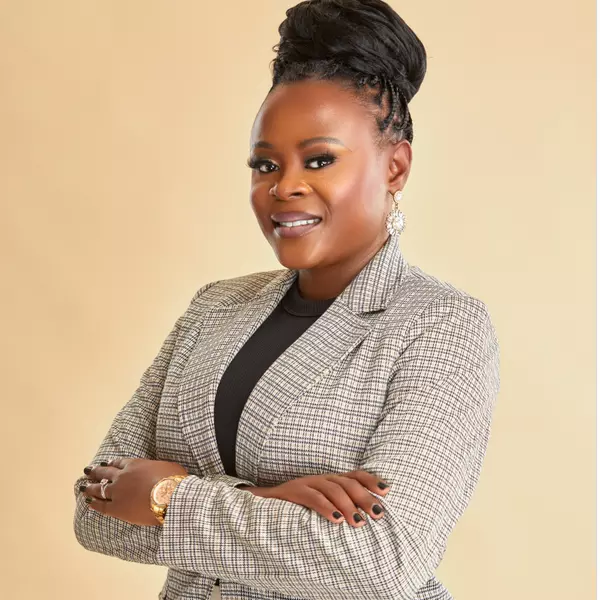
Charnie Monexé, REALTOR®
Real Broker, LLC
Ocala, Florida | Serving Central Florida
Phone: 954-901-0994
Email: charniemonexe@gmail.com
Website: https://www.charniemonexe.com
Helping you make your next move with confidence.
Disclaimer: Real estate market conditions, mortgage rates, builder incentives, and financing programs are subject to change. Builder promotions vary by community, inventory, lender, and contract terms. Financing is subject to lender approval and program eligibility. This article is for general informational purposes and is not financial or mortgage advice.
Categories